
In today’s online world, establishing a successful SEO strategy for your content is essential, regardless of your company’s sector or industry. Whether you run an online store, offer services, or own a blog, a proper SEO content strategy is what you need to grow your online presence, generate organic traffic , and generate potential leads. An SEO content strategy that works well not only ranks well but is also useful to your readers.
What Is SEO Content Strategy And Why Is It Important?
SEO content strategy is a comprehensive guideline for developing content that is compliant with SEO rules and recommendations. It hopes to help improve search engine rankings, send more relevant traffic to your website, and convert more traffic. However, without a careful strategy, your site can get lost in search engines.
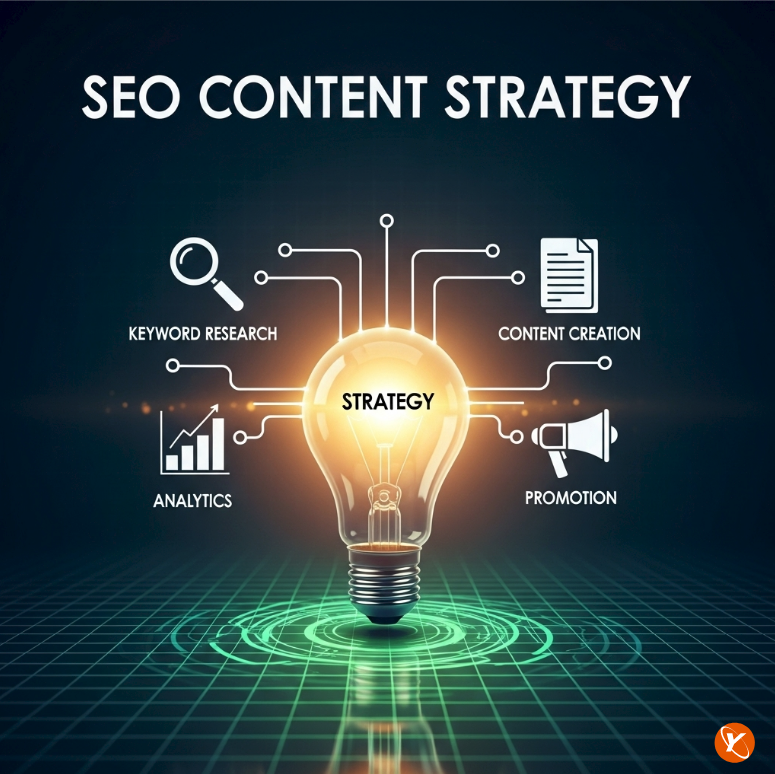
The main goal of an SEO content strategy is to:
- Boost your search engine ranks for your desired keywords.
- Share interesting content that your followers will identify with.
- Send quality visitors to your site through targeted organic traffic.
- Be authoritative in your niche via your website.
Leverage the appropriate tactics and tools for your SEO content strategy to make sure your content is found, relevant, and powerful.
Step 1: Know Your Audience and Industry
The key to a successful SEO content strategy is knowing your audience. A deeper understanding of your audience will enable you to create content that is relevant to their interests, needs, and searching habits.
Audience Research
- Pinpoint Pain Points: Get to know what your audience struggles with and create content that provides solutions.
- Build audience personas. By building more qualified personas, you better position your content for success with better results.
You can learn a lot about your website visitors and potential customers through tools such as Google Analytics or Audience Insights. This will help you see what kind of content they will enjoy and what is of interest to your industry.
Industry Research
I wouldn’t think so. Each industry has its keywords and trends, so it’s essential that you know your industry’s particular SEO needs. For instance, in e-commerce, you will have more product-based keywords, medical terms, and patient care-focused keywords in the health niche. Keep your eyes on industry trends and tweak your SEO content strategy as needed.
See this guide on keeping up to date with industry trends.
Step 2: Keyword Research, Comprehensive Keyword Research To Crush The Big Dogs!
Keyword Research No SEO content strategy is complete without keyword research. Good keyword research means guessing which search terms will bring you more visitors if you are easily found on Google.
Main Focus Keyword
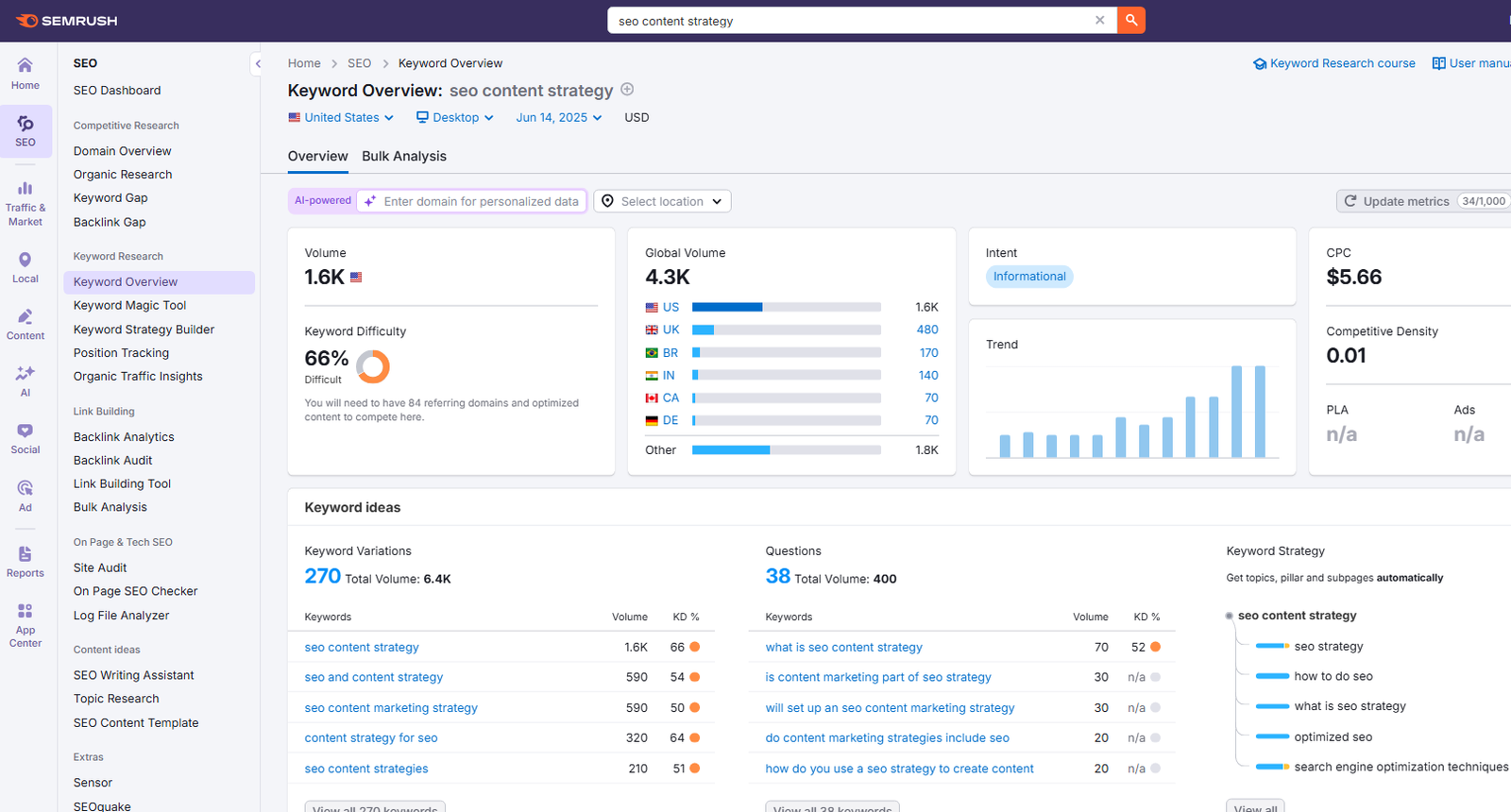
For this blog post, our target keyword is “SEO content strategy.” You should use that keyword 5 to 8 times in your article in a natural and reader-friendly way.
Secondary Keywords
Besides your primary keyword/entity, you also need variations of that keyword and secondary keywords to help get more people to your page. In this post, we will focus on the secondary keywords:
- Content optimization
- Keyword research tools
- On-page SEO
- SEO blog posts
- SEO strategy for business
Use each of these secondary keywords 2 times in your blog post. This will get your content to rank for a variety of related searches.
Keyword Research Tools
Leverage advanced keyword research tools, such as SEMrush, Ahrefs, and Google Keyword Planner, to find high-volume, low-competition keywords within your niche. These tools will also give you insight into what your competitor is doing so that you can create better-focused content.
Step 3: Generate high-quality content.
The second step in developing a successful SEO content strategy is to produce helpful and valuable content. Good content is obviously a priority for SEO success. Search engines prefer informative, relevant, and engaging content and see it as a sign of a high-quality site.
Wise Ways to Write Content
- Focus on Adding Value: Each post needs to provide value to your audience, whether that means answering questions, helping people solve problems, or sharing useful information.
- Build Storytelling: Get into the habit of entertaining your content with storytelling. This can work very well in SEO blog posts or testimonials.
- Leverage Visuals: Adding important images, videos, and infographics can add appeal to the content, making it more shareable and engaging.
- Best Readability: Make sure your content is highly readable —break it into short paragraphs, use bullet points, and have clearly defined headings. This improves the user experience and aids SEO.
Find out more about content optimization best practices.
Internal Linking
Internal links help draw your audience to other relevant content within your site, which keeps their attention longer.Linking to appropriate pages or blog posts. This is not only beneficial for your readers, but it also helps search engines crawl your site better.
For instance, link to other blog posts around on-page SEO or keyword research tools.
Step 4: Optimize On-Page SEO Elements
On-page SEO involves optimizing specific pages of your website so that they can attain a higher position in the search results. So, this is how we’ll optimize that on-page:
Title Tags & Meta Descriptions
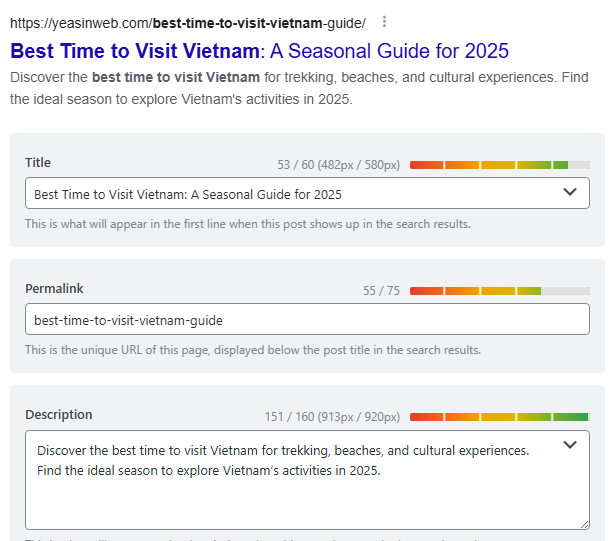
Check and make sure your title and meta description use the primary keyword (“SEO content strategy”). This helps search engines understand what your page is all about and results in higher clickthrough rates.
Header Tags (H1, H2, H3)
Using header tags organizes your content for search engines and your readers. Incorporate secondary keywords in one of your subheadings (H2 or H3). For example, “How to Use Keyword Research Tools to Step Up Your SEO Content Strategy.”
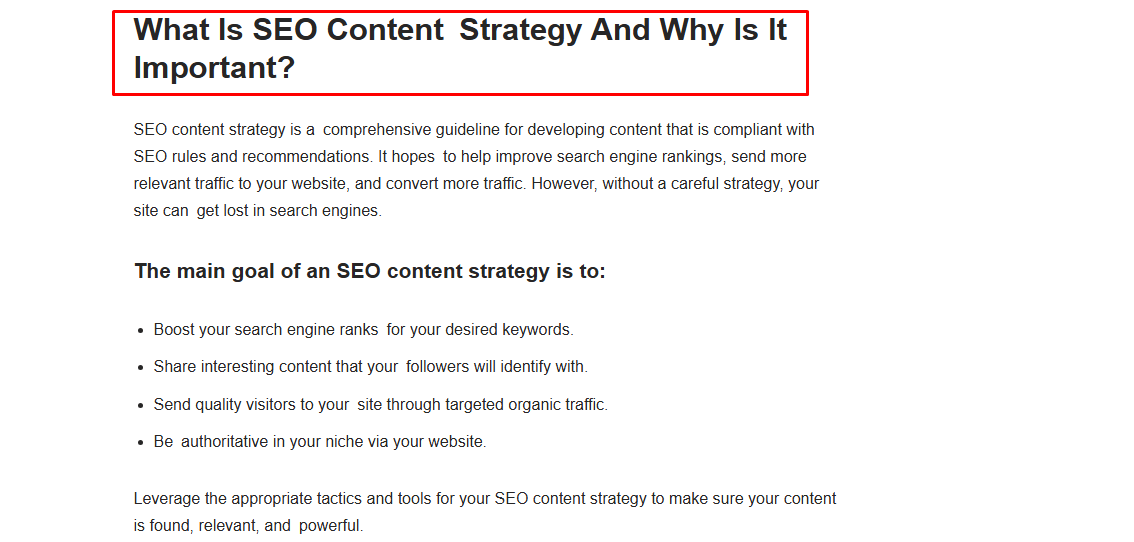
Image Optimization
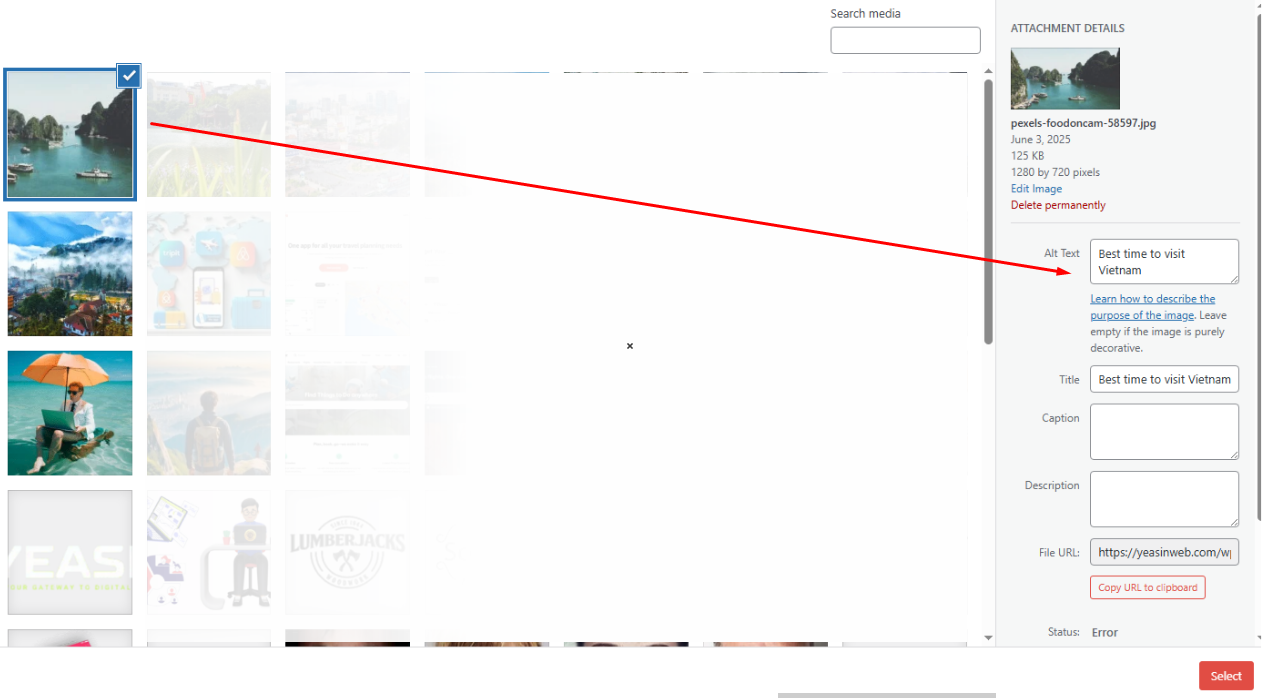
Images are essential for SEO. Use alt text to explain your images using the keywords associated with them. This is beneficial for visibility in Google’s image search and adds context for search engines.
Internal and External Links
- Internal Links: Link to other posts on your site to boost your SEO and help users discover more relevant content.
- External Links: It adds credibility to your content if you link to known and reputable sources such as Google’s Webmaster Guidelines or trusted industry news websites.
This guide details how to optimize internal and external links.
Step 5: Share Your Content on the Internet
Once your content is live, it’s time to disseminate it. Promoting content ensures the right people see your effort.
Leverage Social Media
Publish your content on all of the most important social channels: Facebook, LinkedIn, Twitter, and Instagram. Social media indirectly brings traffic to your site, which may assist you with your rankings.

Email Marketing
Send articles to your readers using an email list. A well-executed email campaign can generate a ton of traffic and content consumption.
Guest Blogging and PR guest posting opportunity
Finally, if you want to take this strategy a step further, you can post as a guest blogger on a number of other reputable food sites, and you’ll be well on your way.Collaborate with influencers or guest bloggers within your niche to broaden your reach. This leads to backlinks to your content, an increase in authority and increased SEO.
Step 6: Measure and Analyze Content Performance
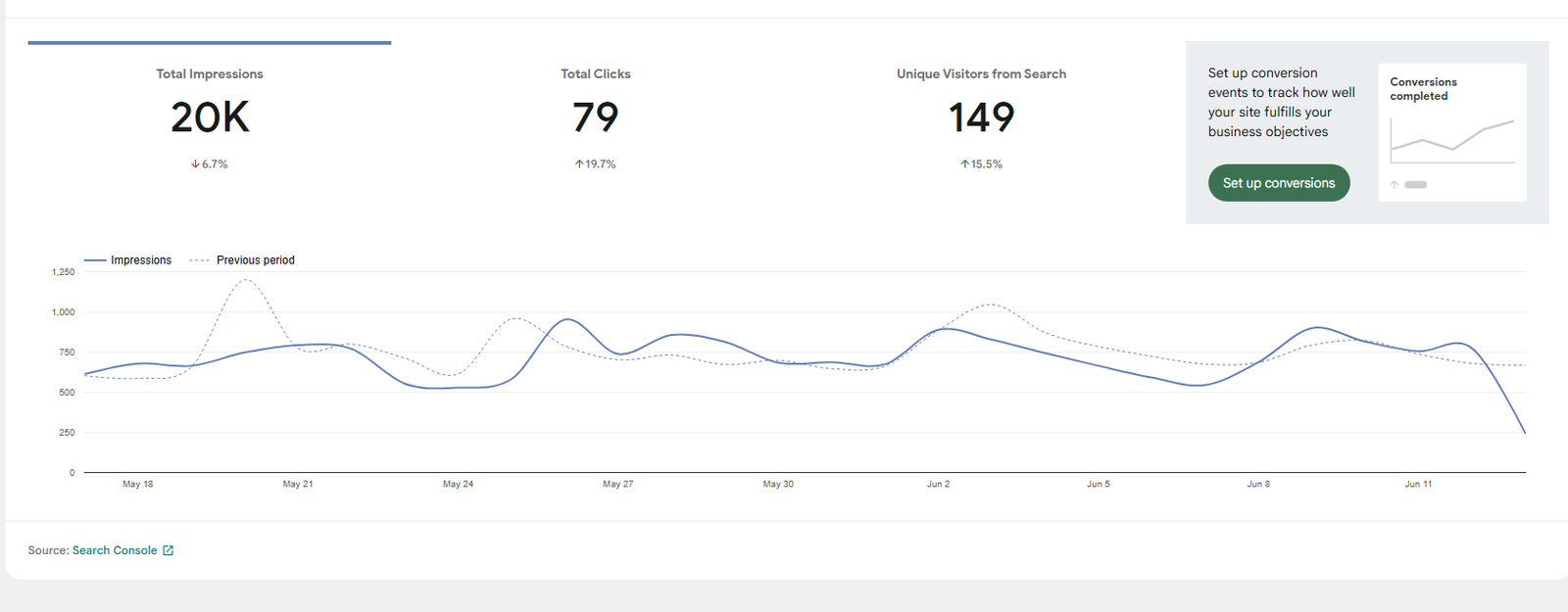
You’ve published your content and promoted it; now you need to measure its performance. Google Analytics and Google Search Console are must-use tools to monitor your SEO metrics.
Key Metrics to Track
- Organic Traffic: Keep an eye on the amount of traffic you get from search engines.
- Bounce Rate: High bounce rates can suggest that users are not finding the content they want to see on your site.
- Conversion Rate: The number of users who take a desired action, such as filling out a form or making a purchase.
Refining Your Strategy
Optimize your content constantly based on your data, and never stop doing so. When a post isn’t doing so hot, dissect what happened. Maybe the keyword isn’t the best, or the content is just not interesting.
Bonus Hint: Keep Up to Date on SEO Trends
Search Engine Optimization is an always-changing industry, and if you’re not up to date, your rankings can suffer! Stay up to date on algorithm changes and strategy advice by reading SEO blogs like Moz and Search Engine Journal.
For more analysis on recent SEO trends, visit the SEO Learning Center at Moz.
Conclusion
Developing an effective SEO content strategy for your industry is an iterative process and may take a bit of time, effort and consistency. By knowing your audience, performing in-depth keyword research, optimizing your content, and leveraging proper promotion, you can elevate your SEO strategy and bring more organic traffic to your site. And don’t forget to measure your success — your performance data will inform how you should tweak your strategy.
If you do and also want professional help with planning (or executing) your SEO content strategy, Get in touch! We’ll help you achieve a measurable SEO increase that’s right for your industry